Walks around Belém
The story of one hero
Alexander, one of the guides on our soulful tours, tells the story of the Portuguese Empire’s rise and the important part a forgotten king played in it.
Take a close look at the Monument to the Discoveries and you’ll see it’s a stylised caravel putting out to sea, with Infante Dom Henrique, Henry the Navigator, at the helm.
He leads a group of people (32 of them, Henry included), the great heroes of the Age of Discovery: navigators, cartographers, warriors, colonisers, missionaries, chroniclers and artists, a king, and a queen: the only woman in all that male company!
He leads a group of people (32 of them, Henry included), the great heroes of the Age of Discovery: navigators, cartographers, warriors, colonisers, missionaries, chroniclers and artists, a king, and a queen: the only woman in all that male company!
But one very important man isn’t among these heroes, even though his contribution to turning Portugal into a vast and very rich empire was priceless! It’s just that he lived and ruled the country a century before the Age of Discovery began.
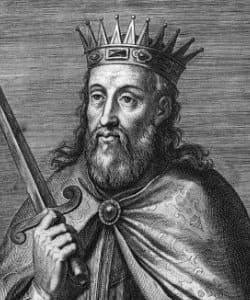
King Dinis I of Portugal (1261–1325)
known as “o Lavrador”, the Farmer
known as “o Lavrador”, the Farmer
His name was Dinis I of Portugal (1261–1325), and like any self-respecting king he had a nickname, a very un-nautical one: “o Lavrador”, the Farmer! Don’t let the nickname fool you, though. He didn’t till the land, and he wasn’t into botany either :)
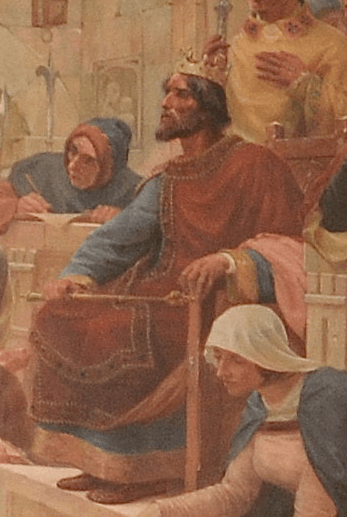
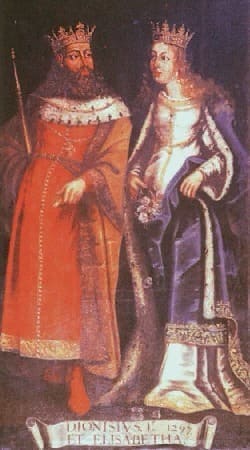
On the whole, the king got to rule in peaceful times: the Reconquista was over,
there was hardly any fighting with Spain, and while there was some feuding at home, it was nothing serious.
And when a king has no war, he needs something to keep himself busy (a less wise ruler would have gone looking for a war to start, a crusade, say: there’s your bloodbath, and a godly deed into the bargain, fighting the “infidels”). Dinis wasn’t like that. He used the peace to make the country stronger, socially and economically.
It was during his reign that Portugal was recognised by all the powers of Europe as an independent state, with the borders it still has today.
The Portuguese themselves had declared independence 150 years earlier, in the mid-12th century, and had spent all that time fighting to make their claim official.
At home, his policies covered a lot of ground.
- Agriculture (hence the nickname). He encouraged and promoted farming, helped get trade going, set up regular fairs and tried to save the coastal land from the advancing sand dunes (he planted a forest of shipbuilding pine at Leiria).
- A good part of King Dinis’s reign went into founding new towns and building castles!
- Portugal’s first university, one of the oldest in the world, founded in Coimbra in 1290: that was his doing too!
- Looking after the lower classes: he travelled the country, stepped in personally to settle disputes between rich and poor, and tried everywhere to root out injustice in his kingdom.
- Dinis founded the Portuguese navy, and the first docks and shipyards were built on his orders. An experienced Genoese seafarer was brought in to train Portugal’s first sailors.
A medieval “rebrand” for an order of knights, 1318
During King Dinis’s reign, the Knights Templar, a rich order of skilled warriors, began to be persecuted all over Europe.
A whole army that would come in handy in Portugal: that’s probably what Dinis thought. So, taking advantage of the death of the pope (the one behind the persecution of the Templars), he offered every member of the order refuge in Portugal. Having taken that step, the king had to do something more, because the order’s name had been tarnished… So Dinis staged a kind of medieval “rebrand” and renamed the surviving Templars the Order of Christ.
It was this order’s scarlet cross that would stand out on the snow-white sails of Portuguese caravels and galleons, and the descendants of the knights of the old Templar order, now the Order of Christ, were the main fighting strength of the ships’ crews. The persecuted warriors moved to Tomar, where they painted new crosses over the Templar ones and carried on with their mission, gathering in the Templar castle at Tomar, built in the 1160s.
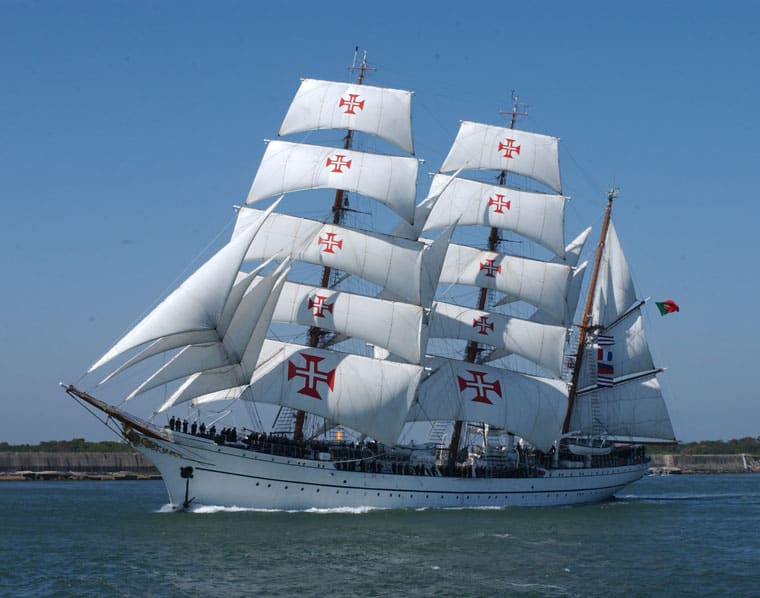
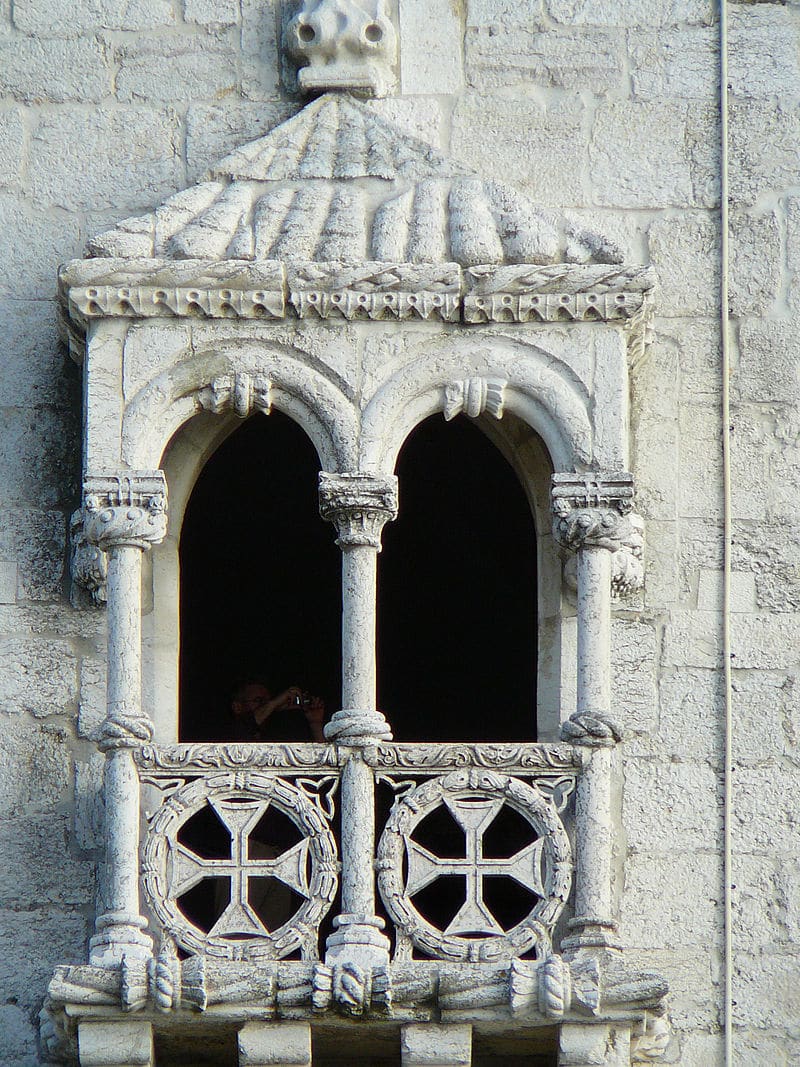
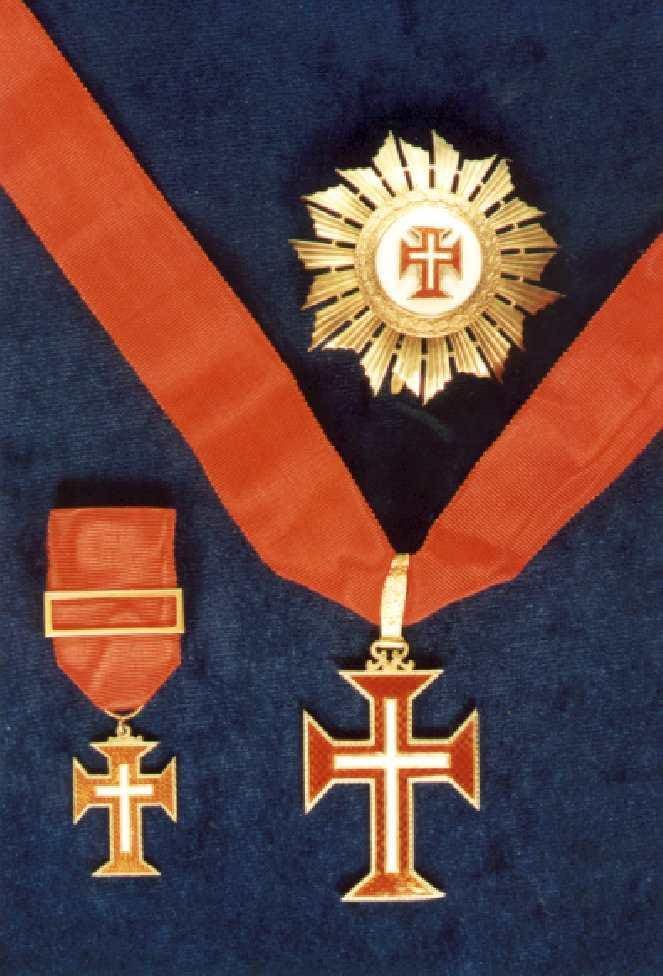
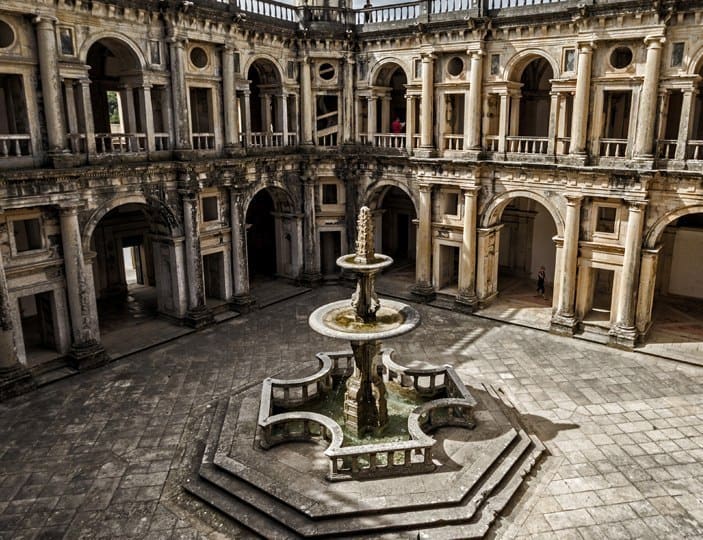
And don’t forget that forest of shipbuilding pine, another of Dinis’s initiatives, which had “grown up” just in time for Henry the Navigator to get to work…
And this man, who laid the foundations and prepared the ground, is the very one missing from the Monument to the Discoveries… Yes, he never went to sea, but then neither did Philippa of Lancaster (Henry the Navigator’s mother and queen of Portugal)… but more about her next time.
And this man, who laid the foundations and prepared the ground, is the very one missing from the Monument to the Discoveries… Yes, he never went to sea, but then neither did Philippa of Lancaster (Henry the Navigator’s mother and queen of Portugal)… but more about her next time.
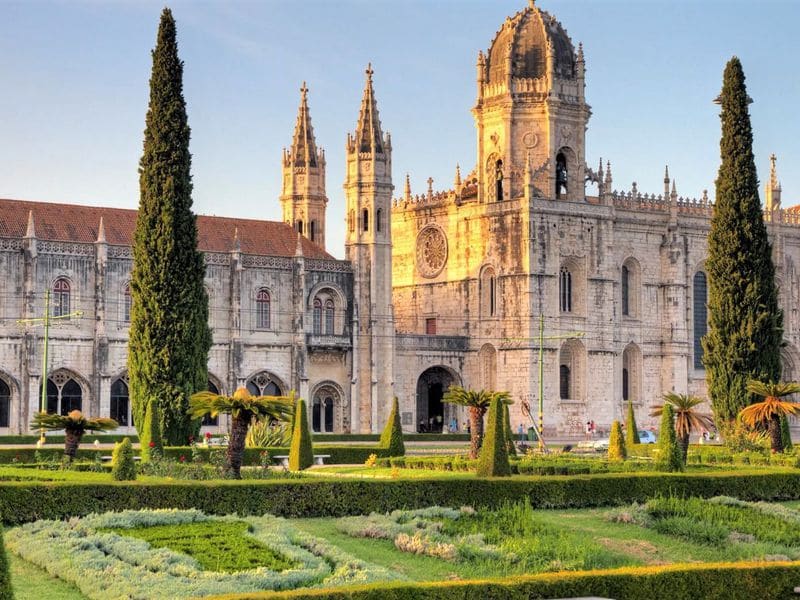
Discover the story of the great navigators, steer clear of the tourist crowds and enjoy the architecture on a soulful walk around Belém with one of our guides.